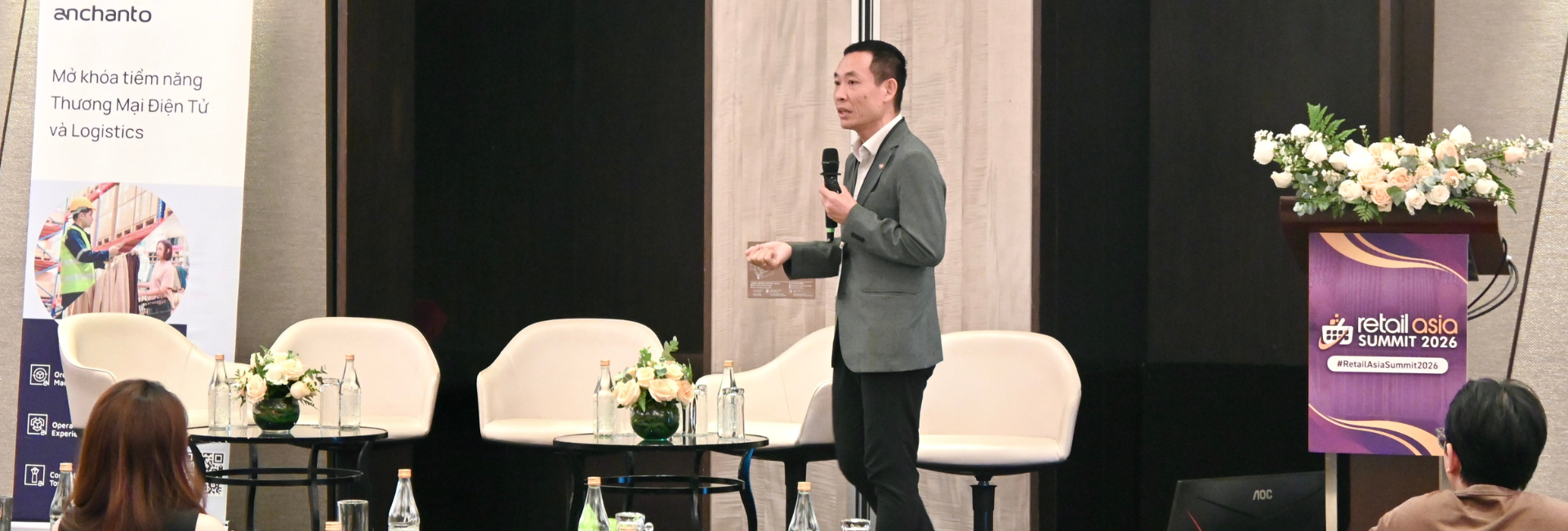


Recently, Retail Asia Summit 2026 was held under the theme “Vietnam Retail Reinvented: Digital Scale-Up, AI-Powered Operations & the New Consumer,” bringing together a wide range of leaders, experts, and businesses across the retail sector to discuss digital transformation trends, AI adoption, and changing consumer behavior. As part of the event, Mr. Vuong Quan Ngoc, CSO at FPT Digital, FPT Corporation, delivered a presentation on the role of AI in reshaping retail growth, highlighting four strategic shifts that enterprises need to accelerate and sharing practical implementation examples from FPT’s technology ecosystem.
Throughout the conference, discussions focused on key trends such as AI-powered retail operations, digital-first transformation, logistics optimization, omnichannel strategy, retail media effectiveness, and investment and franchising opportunities in a market that is growing rapidly while also becoming increasingly competitive. Industry leaders also shared practical perspectives on how data can be leveraged to better understand consumer behavior, thereby enabling more sustainable multichannel growth strategies.
AI Becomes a Core Growth Driver of Modern Retail
At the event, Mr. Vuong Quan Ngoc, CSO at FPT Digital, FPT Corporation, delivered a notable presentation titled “The AI-Driven Consumer: Reshaping Behavior and Purchase Decisions in Retail,” emphasizing the transformative role of artificial intelligence in redefining both consumer behavior and corporate growth strategies.
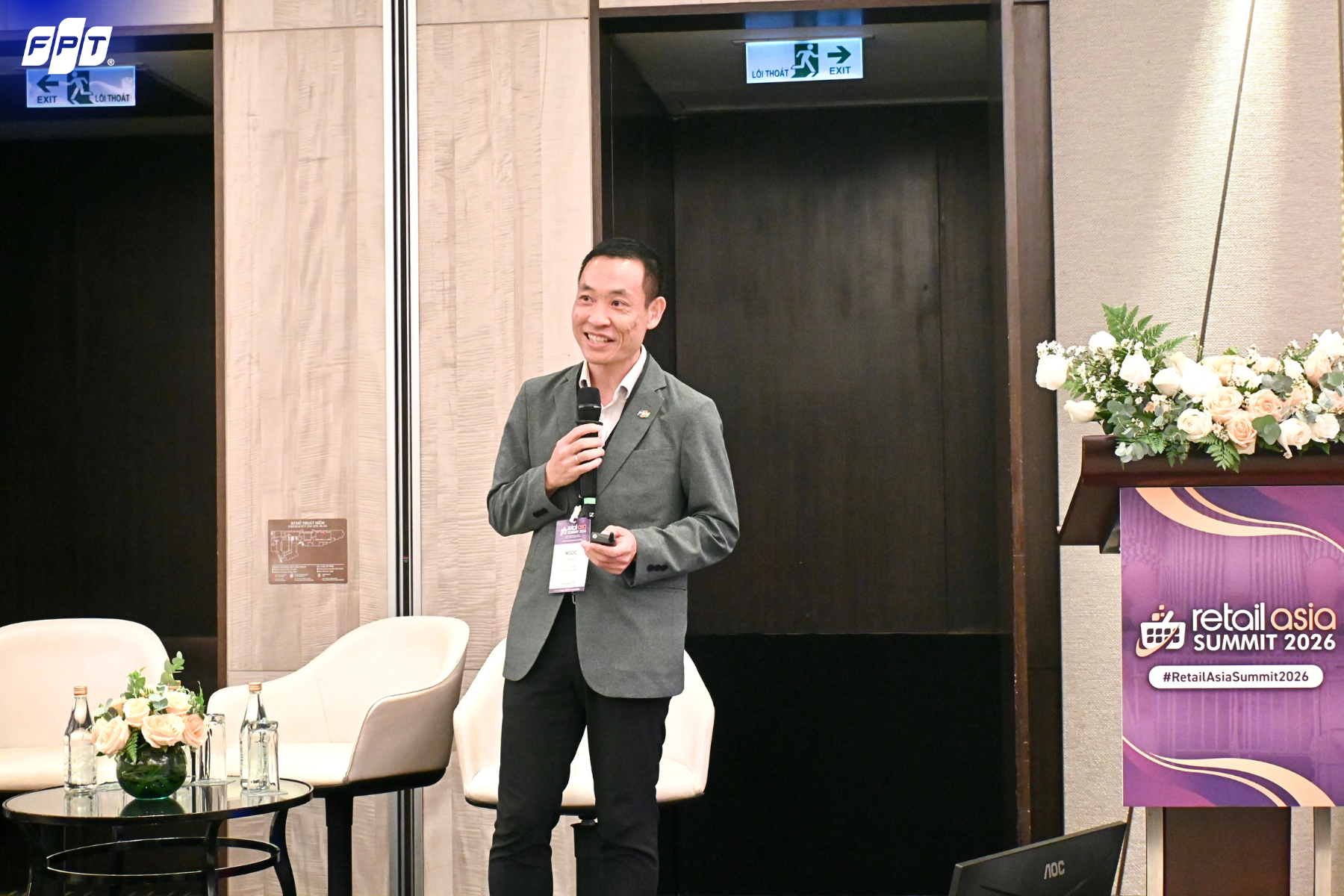
Opening his presentation, Mr. Ngoc stressed that AI is no longer merely a supporting tool, but is becoming a new growth engine for the retail industry. According to him, when deployed on a sufficiently large and deep data foundation, AI can help businesses increase customer lifetime value (CLV) by 20–30% through its ability to understand the behavior, needs, and willingness to pay of different customer segments. Beyond that, AI also creates a direct impact on business performance by potentially doubling conversion rates and halving the sales cycle, enabling companies to accelerate deal closure and optimize revenue from the same customer base.
From the customer experience perspective, Mr. Ngoc noted that AI is changing how consumers make purchasing decisions. Instead of having to search, compare, and evaluate across multiple steps on their own, customers today can be supported by intelligent recommendations, personalized content, and a more seamless shopping journey across both digital channels and physical points of sale. As a result, decision-making time can be reduced by 40–60%, while purchase frequency can also improve thanks to more effective automation of checkout, product recommendations, and after-sales care.
Four Strategic Shifts Reshaping Retail Growth in the AI Era
Continuing his presentation, the FPT Digital expert highlighted four strategic shifts that retail businesses need to quickly implement in order to adapt to the new AI-led consumer era.
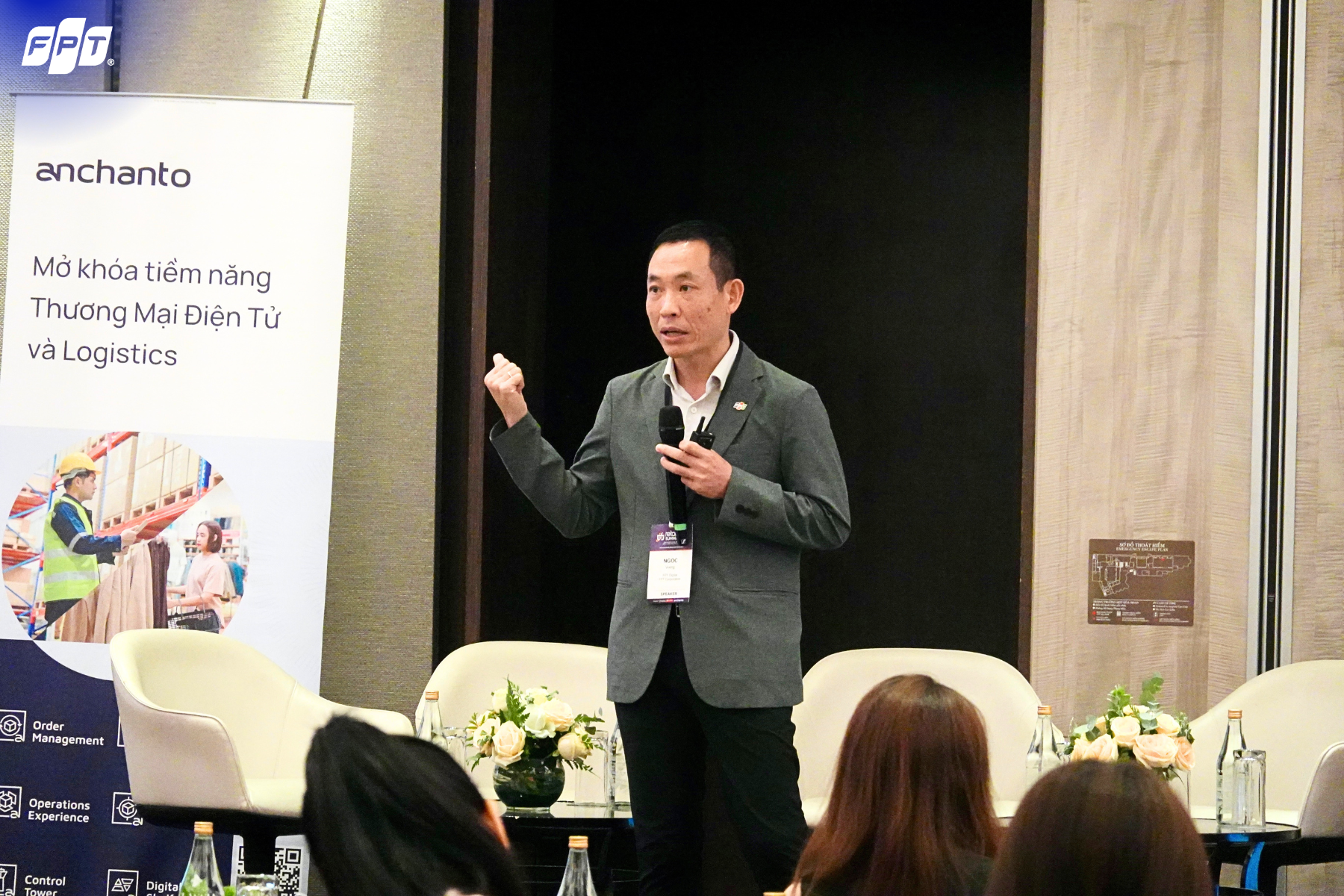
The first is the shift from SEO to AEO and GEO. While traditional SEO focuses on helping brands appear on search engines, in a context where AI is increasingly becoming the new intermediary layer between businesses and consumers, the focus has shifted toward optimizing content so that AI systems can accurately understand, select, and recommend it, thereby building brand visibility and influence on a broader scale.
The second shift is from the traditional B2C distribution model to D2C. According to Mr. Ngoc, as shopping behavior becomes increasingly tied to data and personalized experiences, overdependence on intermediary channels limits a company’s ability to engage directly with consumers. The D2C model allows businesses to take greater ownership of customer data, control the shopping journey, and optimize costs, while also creating a stronger foundation for more sustainable long-term customer relationships.
The third shift is from fixed pricing to dynamic pricing. Instead of applying one standard price to all customers at all times, AI enables businesses to analyze behavior, demand, price sensitivity, and transaction context in order to offer more suitable pricing for each specific situation.
Finally, Mr. Ngoc addressed the shift from traditional models to proactive AI-driven customer retention. Rather than relying solely on loyalty points or mass promotions, businesses need to move toward retention models based on predictive analytics and automated personalization at scale. With AI, companies can identify churn risks early, trigger appropriate actions for each customer group, and build more effective retention strategies instead of waiting until customers leave before responding.
The message delivered by FPT Digital’s expert was clear: retail is no longer a game of products or distribution channels alone, but a game of data and AI-driven decision-making. What is noteworthy is not simply that AI “is being applied,” but that AI is quietly changing how transactions are formed, and in doing so, redefining the entire logic of growth in the retail industry.
Practical Evidence of AI-Driven Retail Operations
To further illustrate the impact of AI in retail, the FPT Digital expert shared a real-world implementation case involving FPT and Long Chau Pharmacy.
Accordingly, the first foundation was a Data Lakehouse system, built in 2023, which helped connect and unify data, address fragmentation across departments, and create a basis for developing AI/ML models. On top of this data platform, AI has been applied to optimize multiple operational stages, particularly in logistics and warehousing, helping reduce 50% of manual workload.
At the frontline of sales, SalesMate – FPT’s AI assistant – was developed to help pharmacists look up product information more quickly while also recommending suitable orders to improve consultation quality and customer service efficiency.
In addition, FPT.Presight has been used for advanced analytics, enabling businesses to forecast demand, identify the root causes of revenue decline, and predict customer churn risk. Through these concrete examples from FPT Presight and FPT SalesMate, the FPT Digital expert emphasized that AI execution capabilities are increasingly becoming a practical lever for building sustainable competitive advantage for Vietnamese retail businesses.
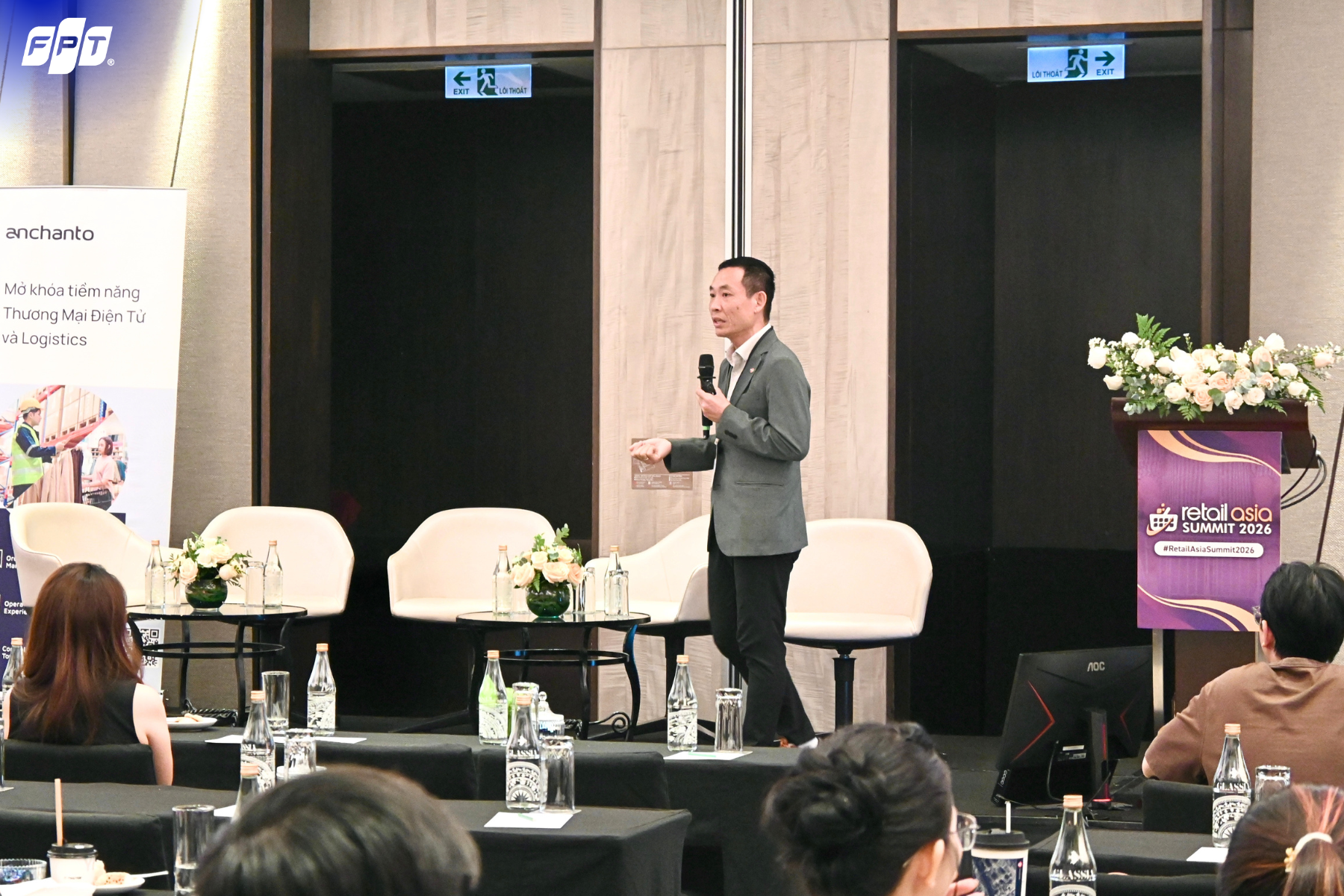
In closing his presentation, Mr. Vuong Quan Ngoc stressed that these future shifts are becoming essential conditions for retail enterprises to sustain and expand their long-term competitive advantage. In a market driven by data and AI, the ability to adapt quickly and effectively deploy new models will determine a company’s growth capacity in the years ahead.